

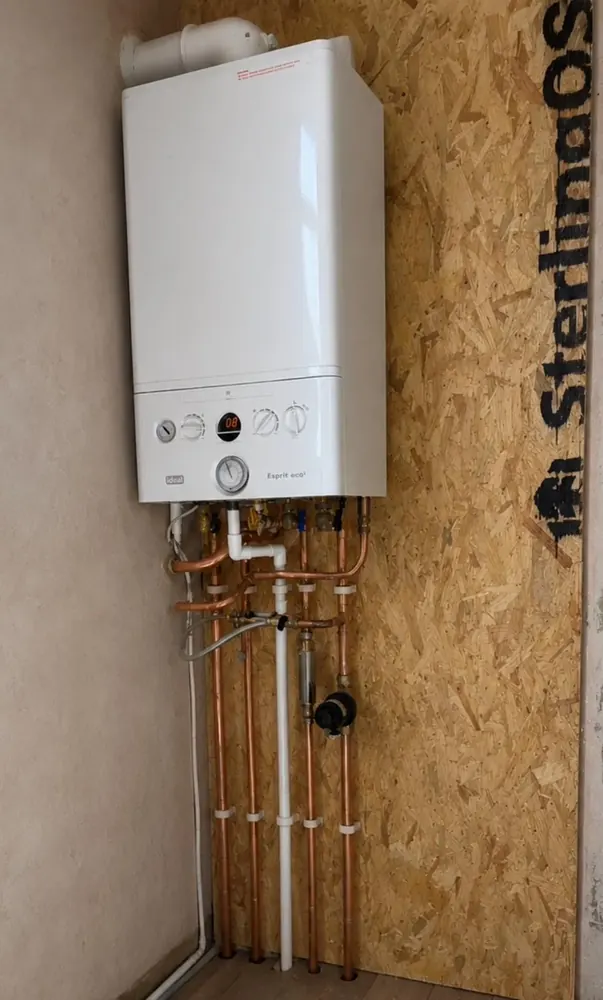
Quick answer
Book the annual service, check the pressure, run the heating early to test every radiator, verify the thermostat and schedule, lag any external condensate pipe, look for visible leaks, exercise the radiator valves, review your controls and test your carbon monoxide alarm. Doing this in autumn avoids the December queue.
Almost every emergency call we take in December could have been an appointment in September. This checklist covers the checks worth doing before the weather turns — most take minutes.
1. Book the annual service
The single most useful thing on this list. It keeps your warranty valid and flags developing faults while there is still time to sort them calmly.
2. Check the pressure
Note the cold reading and compare it with the manufacturer's stated pressure. Top up if it has drifted low, and make a note if you have had to do it more than once recently.
3. Run the heating for a full cycle
Turn the heating on for half an hour on a mild day and walk round every radiator. Problems reveal themselves far more helpfully in September than at 6am in January.
4. Bleed radiators with cold spots
Any radiator cold at the top gets bled, then check the pressure again afterwards.
5. Test the thermostat
Fresh batteries in wireless and smart thermostats, and confirm it is actually calling for heat when you turn it up.
6. Review the heating schedule
Set the programmer for winter hours. Check the clock is right — programmers frequently lose time after a power cut.
7. Lag the condensate pipe
Any external section of condensate pipe should be insulated with suitable waterproof lagging. This is the single most effective step against a frozen-pipe breakdown.
Condensate pipe already frozen?
Our guide covers the safe way to thaw an accessible pipe with warm water.
Read the frozen condensate guide8. Look for visible leaks
Check under the boiler, around radiator valves, in the airing cupboard and around any visible pipework in the loft. Early staining is easier to deal with than a ceiling.
9. Exercise the radiator valves
Thermostatic valves left fully open or fully closed all summer are prone to seizing. Turning them through their range before winter reduces the chance of a stuck pin.
10. Test your carbon monoxide alarm
Press the test button and check the expiry date on the unit — CO alarms have a finite life and should be replaced accordingly. An alarm is not a substitute for having appliances serviced by a Gas Safe registered engineer, but it is an essential safeguard.
Get winter-ready
Autumn service slots across Tamworth, Lichfield, Sutton Coldfield, Walsall and Birmingham.
Book your winter boiler serviceWhen to call a professional
Safe homeowner checks stop at pressure gauges, radiator valves, controls and visible pipework. Anything involving gas, combustion, the boiler casing, the flue or internal components is work for a Gas Safe registered engineer. If you smell gas, follow the appropriate emergency gas safety guidance and do not attempt to work on the appliance.
Call 07881 963508The Betaflo recommendation
The checks we recommend every autumn so your heating is ready before the first cold snap, not after it. If you'd like a second opinion before spending money, speak to us first — we'd rather tell you your boiler is fine than sell you something you don't need.
Frequently asked questions
When is the best time to book a boiler service?
Late summer or early autumn. Availability is better and any recommended work can be completed before the heating is under full load.
Should I leave the heating on low in freezing weather?
A low background temperature during severe cold helps reduce the risk of frozen pipework, including the condensate.
Do I need a carbon monoxide alarm?
It is strongly recommended in any property with fuel-burning appliances, and required in many rented properties under current regulations.
About the author
Betaflo Heating UK
Betaflo Heating UK is founded and run by Miles Davis and Sam Boyle, Gas Safe registered heating professionals installing, servicing and repairing boilers across Tamworth, Birmingham and the surrounding areas. Our guides are written from the work we do in customers' homes every week. More about Betaflo.
Related heating advice
Winter Heating Advice
Frozen Boiler Condensate Pipe: How To Thaw It Safely
The most common reason a boiler stops during a cold snap — what condensate is, how to thaw an accessible pipe safely and how to prevent it happening again.
Boiler Servicing
Why Should You Service Your Boiler Every Year?
Safety, warranty conditions and early fault detection — what a yearly service genuinely does, and what it can't promise.
Radiators & Central Heating
How To Bleed A Radiator Safely: Step-By-Step Guide
A step-by-step guide to releasing trapped air from a radiator, checking your boiler pressure afterwards and knowing when the problem is something else.
Boiler Problems
Why Is My Boiler Not Working? 10 Things To Check
A clear, safe order of checks for a boiler with no heating or hot water, and the point at which troubleshooting should stop.