

Quick answer
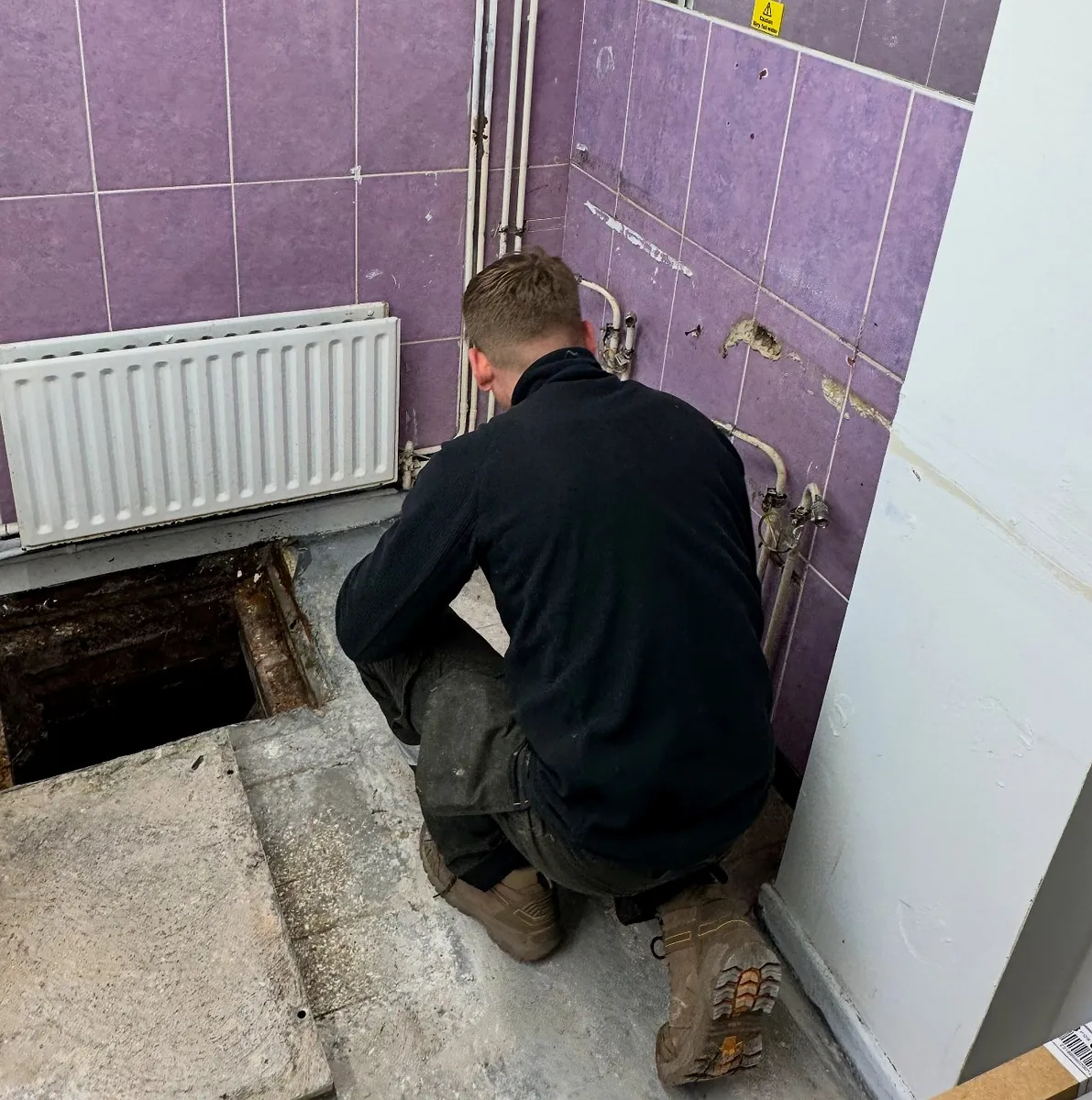
Water is either leaving the system or the system can no longer absorb expansion. Common causes are small leaks on pipework or radiator valves, a discharging pressure relief valve, or an expansion vessel that has lost its charge. A one-off drop after bleeding radiators is normal; losing pressure every few days needs a Gas Safe engineer to diagnose.
Topping the pressure up once is routine maintenance. Topping it up every week is a fault. A sealed heating system is exactly that — sealed — so if the gauge keeps falling, water is escaping somewhere or the system can no longer handle the expansion of hot water.
The common causes
Small system leaks
The most frequent cause, and often the hardest to spot. A weep on a compression fitting, a pinhole under a floor, or a joint on a pipe run behind plaster can lose enough water to drop the pressure without ever leaving an obvious puddle — especially where warm pipework evaporates the moisture.
Radiator and valve leaks
Thermostatic radiator valve spindles, lockshield valves and radiator tail joints are common culprits. Look for white or green crusting, rust streaks below a valve, or a patch of discoloured carpet or floorboard.
Expansion vessel problems
The expansion vessel absorbs the extra volume as heating water warms up. When it loses its air charge or the internal diaphragm fails, pressure swings dramatically between hot and cold — climbing hard when the heating runs, then reading low once everything cools. This is a classic pattern and one an engineer can confirm quickly.
Pressure relief valve discharging
If pressure rises too high, the pressure relief valve does its job and releases water through a discharge pipe, usually outside. A valve that is passing — or one relieving repeatedly because of an expansion vessel issue — will quietly drain your system. A damp patch or drip under the external discharge pipe is a strong clue.
Air released after bleeding
Perfectly normal, and not a fault. Bleeding radiators removes water as well as air, so the gauge falls. This should be a one-off correction, not an ongoing pattern.
Safe checks you can make
- 1Note the pressure cold, then again once the heating has been running — and write both down over a few days.
- 2Walk around every radiator and look underneath the valves for staining, damp or corrosion.
- 3Check visible pipework in airing cupboards, under sinks and in the loft for signs of moisture.
- 4Look at the external pressure relief discharge pipe for drips or a wet patch on the wall below.
- 5Check the floor and ceiling below the boiler for any staining.
Repeated pressure loss?
We trace the cause properly rather than topping it up and hoping. Fixed-price boiler repairs across Tamworth, Birmingham and the surrounding areas.
Book a boiler repairWhy not just keep topping it up?
Every top-up introduces fresh, oxygenated mains water into the heating circuit. Over time that accelerates corrosion inside radiators and produces the black magnetite sludge that causes cold spots, blocked heat exchangers and pump wear. A leak you keep refilling around usually costs more in the long run than the repair would have.
When to call a professional
Safe homeowner checks stop at pressure gauges, radiator valves, controls and visible pipework. Anything involving gas, combustion, the boiler casing, the flue or internal components is work for a Gas Safe registered engineer. If you smell gas, follow the appropriate emergency gas safety guidance and do not attempt to work on the appliance.
Call 07881 963508The Betaflo recommendation
Why a boiler that needs topping up every few days has a fault, and what an engineer looks for when tracing repeated pressure loss. If you'd like a second opinion before spending money, speak to us first — we'd rather tell you your boiler is fine than sell you something you don't need.
Frequently asked questions
Can a boiler lose pressure without a visible leak?
Yes. Leaks under floors, behind walls or from a pressure relief valve discharging outside are common and often leave no obvious sign indoors.
Why does the pressure drop only overnight?
Pressure naturally reads lower once the system cools. A genuine drop that persists after several cold readings points to water loss or an expansion problem.
Is low pressure dangerous?
It is more of a reliability issue than a safety one — the boiler is designed to lock out. The underlying leak, however, can cause damage if left.
About the author
Betaflo Heating UK
Betaflo Heating UK is founded and run by Miles Davis and Sam Boyle, Gas Safe registered heating professionals installing, servicing and repairing boilers across Tamworth, Birmingham and the surrounding areas. Our guides are written from the work we do in customers' homes every week. More about Betaflo.
Related heating advice
Boiler Pressure
How To Top Up Boiler Pressure Safely
How the filling loop works, how far to top up, and why a boiler that keeps losing pressure needs investigating rather than repeatedly refilling.
Boiler Pressure
Boiler Pressure Explained: What Is Normal?
A plain-English explanation of the pressure gauge — cold readings, hot readings, normal fluctuation and the point at which it needs investigating.
Boiler Problems
Why Is My Boiler Not Working? 10 Things To Check
A clear, safe order of checks for a boiler with no heating or hot water, and the point at which troubleshooting should stop.
Boiler Replacement
Should I Repair Or Replace My Boiler?
A balanced comparison of repair versus replacement, with a decision guide rather than a sales pitch.